Revision Rhinoplasty: Key Considerations Before a Secondary Nose Surgery
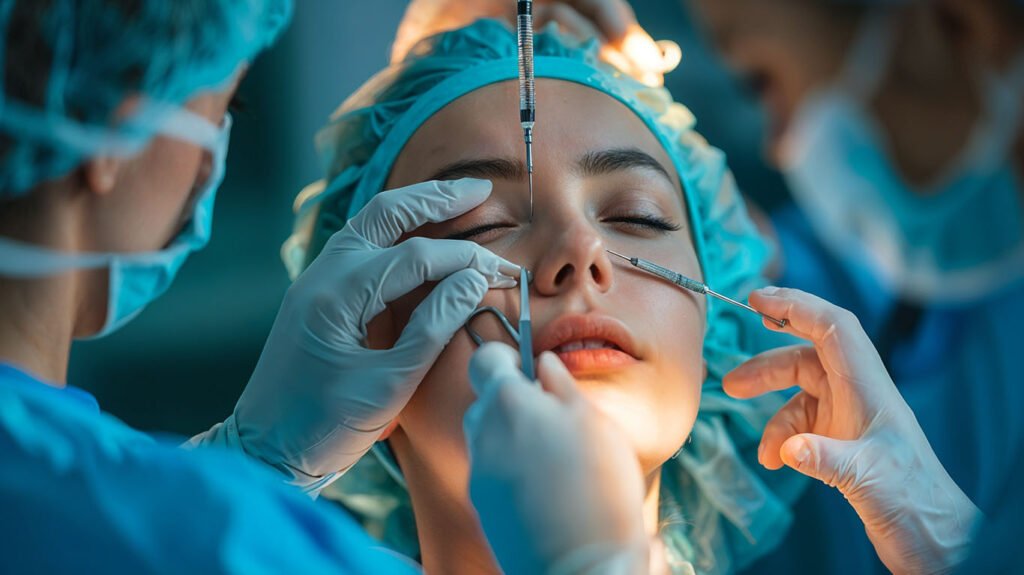
Revision rhinoplasty, also known as secondary nasal surgery, is a procedure considered by patients seeking correction after an initial rhinoplasty. While primary rhinoplasty often achieves intended goals, some patients face complications, irregular healing, or dissatisfaction with previous outcomes.
The decision to undergo a secondary procedure requires careful assessment. Revision rhinoplasty is inherently more complex than primary surgery, demanding understanding of nasal anatomy, scar tissue formation, and patient-specific healing patterns. Awareness of surgical challenges, recovery expectations, and potential risks is crucial to make an informed decision.
This guide provides patients with a clear, evidence-based overview of revision rhinoplasty, including reasons for surgery, candidacy evaluation, procedural complexity, recovery timelines, risk management, and standards for selecting a surgical facility.
Why Revision Rhinoplasty May Be Needed
Revision rhinoplasty is performed for both aesthetic and functional reasons. Understanding the underlying cause helps patients set realistic expectations and plan an effective surgical strategy.
Aesthetic vs Functional Issues
Patients may seek revision surgery to address aesthetic concerns such as asymmetry, dorsal irregularities, or tip deformities. Functional issues like nasal airway obstruction or breathing difficulties may also necessitate surgical correction. Often, patients present with both cosmetic and functional considerations, highlighting the need for a comprehensive approach.
Explore more about rhinoplasty options to understand which procedures address different concerns.
Scar Tissue and Healing Variability
Scar tissue from prior surgery can limit tissue flexibility, complicating surgical manipulation. Individual healing responses vary depending on skin thickness, prior surgical technique, and biological factors. Evaluating these variables is essential to create a safe and effective surgical plan.
Evaluating Candidate Suitability
Not every patient is an ideal candidate. Surgeon-led evaluation ensures both safety and the highest likelihood of functional and aesthetic improvement.
Nasal Anatomy Assessment
A thorough assessment of bone and cartilage structure, skin thickness, and residual deformities from prior surgery is essential. Complex anatomy may require advanced grafting techniques to achieve natural outcomes while preserving nasal airway function.
General Health and Lifestyle Factors
Patients with chronic conditions, smoking habits, or compromised immune function may experience delayed healing or increased complication risks. Optimizing overall health before surgery enhances safety and contributes to predictable outcomes.
Realistic Expectations
Revision rhinoplasty can provide meaningful improvements, but patients must acknowledge limitations. Minor asymmetries or subtle contour irregularities may persist, and some cases may require staged procedures. Understanding these limitations is key to satisfaction.
Understanding Surgical Complexity
Revision rhinoplasty presents unique challenges due to previous interventions, altered anatomy, and scar formation. Procedures are typically more intricate than primary rhinoplasty.
Scar Tissue Management
Scar tissue restricts tissue mobility and can create unpredictable responses during dissection. Surgeons use careful, layered techniques to minimize trauma and support natural contouring.
Cartilage Grafting Techniques
Secondary rhinoplasty often requires cartilage grafting for structural support, tip refinement, or dorsal augmentation. Donor cartilage may come from the septum, ear, or rib. Proper graft placement ensures long-term stability and preserves both form and function.
Predictable vs Unpredictable Outcomes
While careful planning and technique increase predictability, secondary surgery carries inherent variability. Healing patterns, prior modifications, and tissue characteristics can influence final results. Balancing correction with preservation of structural integrity is central to achieving natural outcomes.
Recovery Timeline and Post-Operative Care
Healing after revision rhinoplasty is often prolonged, and patients should anticipate gradual improvements over several months.
Early Healing (Week 1–2)
During the initial phase, swelling, bruising, and mild discomfort are common. Elevating the head, applying cold compresses, and following activity restrictions support optimal recovery. Temporary congestion and minor bleeding typically resolve within the first week.
Mid-Term Swelling (Week 3–6)
Swelling gradually decreases, though subtle changes continue beneath the skin. Cartilage grafts and reconstructed structures may feel firm. Patients should avoid trauma and strenuous activities. Consult healing & recovery timeline for detailed post-op guidance.
Final Result Timeline
Complete resolution of swelling and refinement of the nasal tip can take several months up to a year. Adhering to post-operative instructions and allowing tissues to mature is essential for achieving intended outcomes.
Managing Risks and Expectations
Revision rhinoplasty carries higher risks than primary surgery. Understanding potential complications and how to mitigate them is crucial.
Functional Complications
Airway obstruction or structural instability may occur if grafting or tip refinement is insufficient. Preoperative evaluation and meticulous technique minimize these risks.
Cosmetic Considerations
Secondary surgery may result in minor asymmetries or contour irregularities. Awareness of these possibilities allows patients to set realistic goals.
Secondary Interventions
Complex cases may require additional procedures or staged interventions to refine results. Revision surgery may not always be a single-step solution.
Quote: Revision rhinoplasty recovery involves staged healing, potential swelling, and careful risk management for both function and appearance.
Facility and Surgical Standards
Choosing a surgical environment with strict protocols and experienced surgeons is vital for safety and long-term success.
Board Certification and Specialized Experience
Surgeons performing revision rhinoplasty should hold board certification in plastic or facial plastic surgery and demonstrate experience in secondary procedures.
Accredited Facility Protocols
Operations should occur in accredited facilities following comprehensive safety, anesthesia monitoring, and infection prevention standards.
Sterility and Monitoring
Strict sterile technique, high-quality instruments, and continuous post-operative monitoring reduce risk and enhance predictable recovery.
Frequently Asked Questions
What is revision rhinoplasty?
A secondary procedure to correct or improve results of a prior rhinoplasty, addressing functional or aesthetic concerns.
How long does it take to recover?
Early swelling resolves within 2–6 weeks, with final refinement occurring over several months to a year.
What are typical success rates?
Outcomes vary based on patient factors and surgical complexity. Careful candidate selection and evidence-based techniques improve success likelihood.
Can it be combined with other nasal procedures?
Revision surgery can often be coordinated with additional interventions such as septoplasty or alar base modifications.